Quali sono le diverse attrezzature per i test di sicurezza dei giocattoli e qual è la migliore per te?
Apr 07, 2026
Quali sono le diverse attrezzature per testare la sicurezza dei giocattoli e
Qual è la soluzione migliore per te?
Selezionare il miglioreattrezzature per testare la sicurezza dei giocattoliNon è un compito facile, perché può influire direttamente sulla conformità dei giocattoli agli standard di sicurezza e sulla protezione dei bambini da potenziali pericoli. Per semplificare il processo, esamineremo i principali dispositivi di test di sicurezza per i giocattoli, in modo che tu possa disporre delle informazioni corrette e fare scelte consapevoli.
L'importanza fondamentale dei test di sicurezza sui giocattoli
I giocattoli vengono utilizzati quotidianamente da bambini di diverse età, pertanto i pericoli nascosti possono causare lacerazioni, perforazioni, soffocamento o lesioni agli occhi. Test sistematici con attrezzature professionali verificano che i prodotti soddisfino gli standard regionali e internazionali, favoriscono l'accesso al mercato e rafforzano la fiducia dei consumatori. Test costanti aiutano inoltre i marchi a ridurre i rischi di richiamo e a mantenere una produzione conforme.
Apparecchiature comuni per i test di sicurezza dei giocattoli
Questa sezione illustra cinque dispositivi di uso comune che costituiscono il fulcro della valutazione della sicurezza meccanica e fisica dei giocattoli.
-
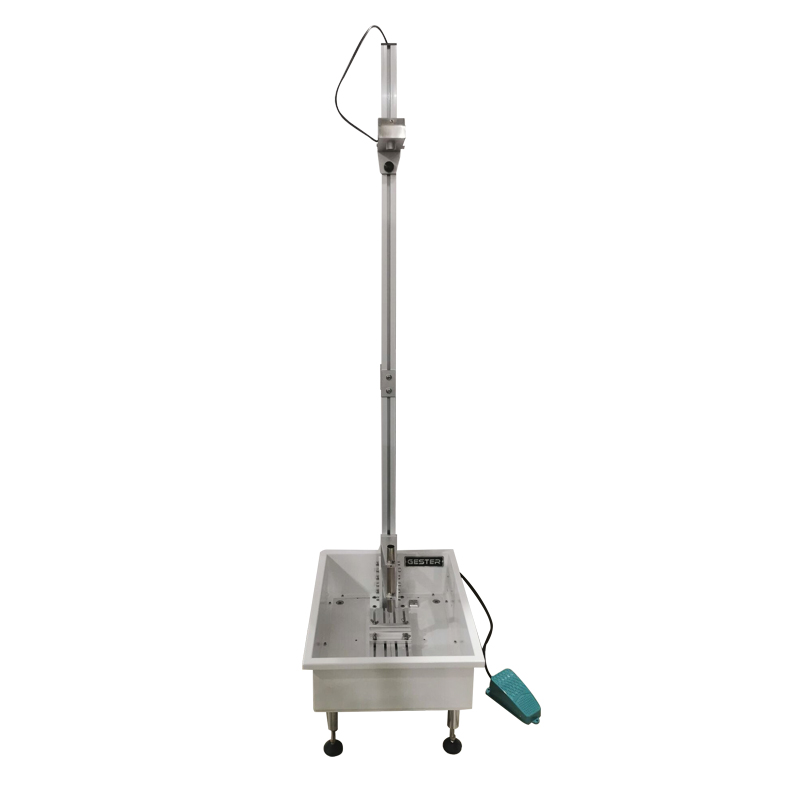
Tester di impatto sferico GT-M28
Applicazioni: Il tester di impatto a sfera per giocattoli viene utilizzato per testare la resistenza agli urti di tutti i giocattoli rigidi che coprono il viso, come occhiali, caschi spaziali o visiere. Dopo il test, i giocattoli non devono presentare spigoli vivi, punte acuminate o parti staccabili che potrebbero entrare negli occhi. Questo vale sia per i giocattoli con fori per gli occhi, sia per gli oggetti che coprono gli occhi.
Standard
ASTM F 963 sezione 8.7.4, ISO 8124-1 sezione 5.14, GB6675-2 sezione 5.14
-
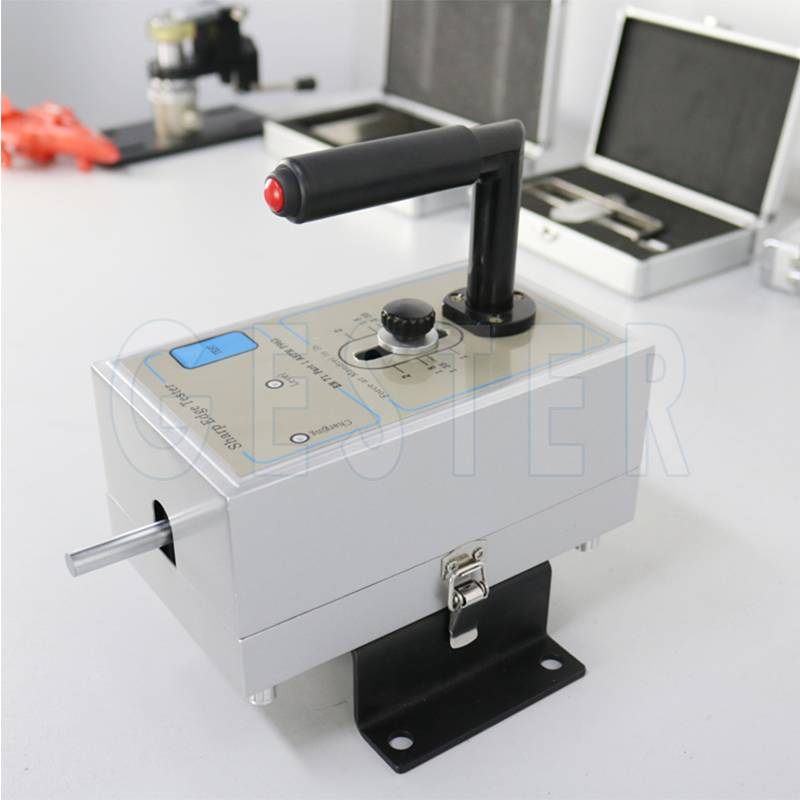
Tester per spigoli vivi GT-MB01
ApplicazioniIl tester per bordi taglienti per giocattoli viene utilizzato per determinare se i bordi in metallo o vetro di giocattoli e altri articoli per bambini di età inferiore a 8 anni presentano un rischio di lacerazione o lesioni da avulsione durante il normale utilizzo o in seguito a danni o abusi ragionevolmente prevedibili.
Standard
EN 71-1, ASTM F963, 16CFR 1500, ISO 8124-1, GB 6675-1
-
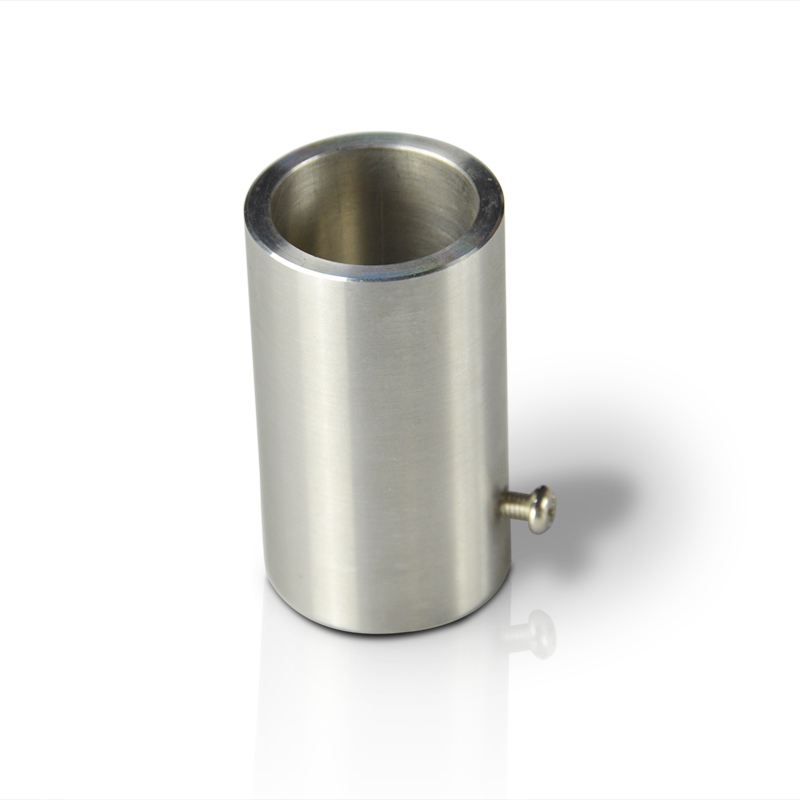
Cilindro per piccoli componenti GT-MB03
Applicazioni Il cilindro per piccole parti rileva principalmente i rischi di soffocamento, aspirazione e ingestione causati da piccole parti presenti su giocattoli o altri articoli destinati a bambini di età inferiore a 3 anni.
Standard
EN-71-1 sezione 8.2, ASTM F963 sezione 4.6, 16CFR 1501, ISO 8124-1 sezione 5.2, GB6675-2 sezione 5.2, EN 12221-2 sezione 4.10, 5.5, EN 16890-2017 sezione 5.8, 8.3.1, 8.4
-
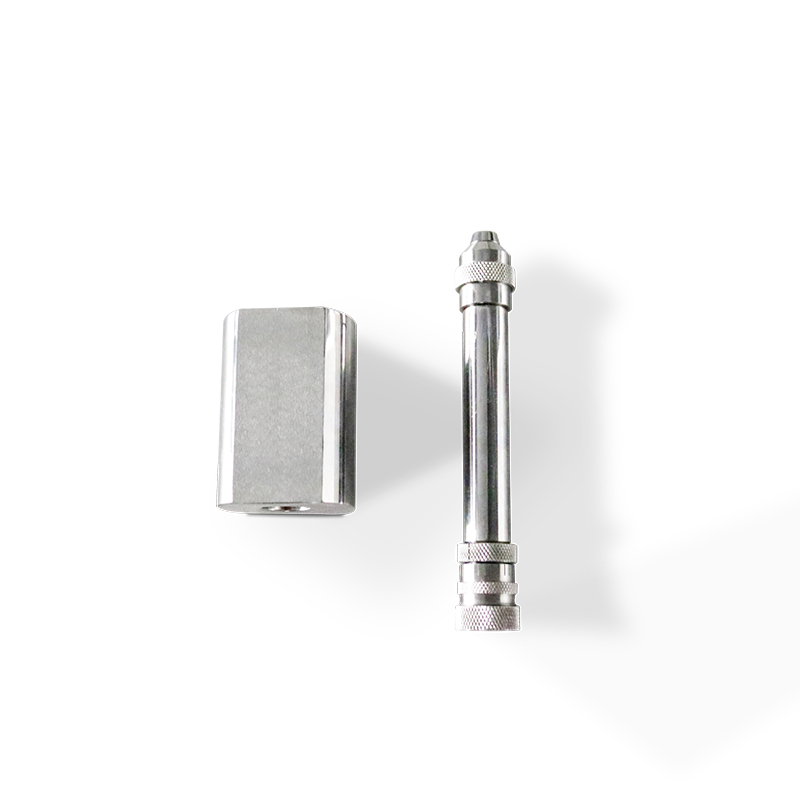
Tester per oggetti taglienti GT-MB04 per giocattoli
Applicazioni: Il tester per punte taglienti verifica se le punte presenti su giocattoli e altri articoli per bambini di età inferiore a 8 anni possono causare lesioni da perforazione o lacerazione durante il normale utilizzo o in seguito a danni o abusi ragionevolmente prevedibili.
Standard
ISO 8124-1, EN-71-1, 16 CFR 1500, ASTM F 963, GB6675-2, EN 16890-2017
-
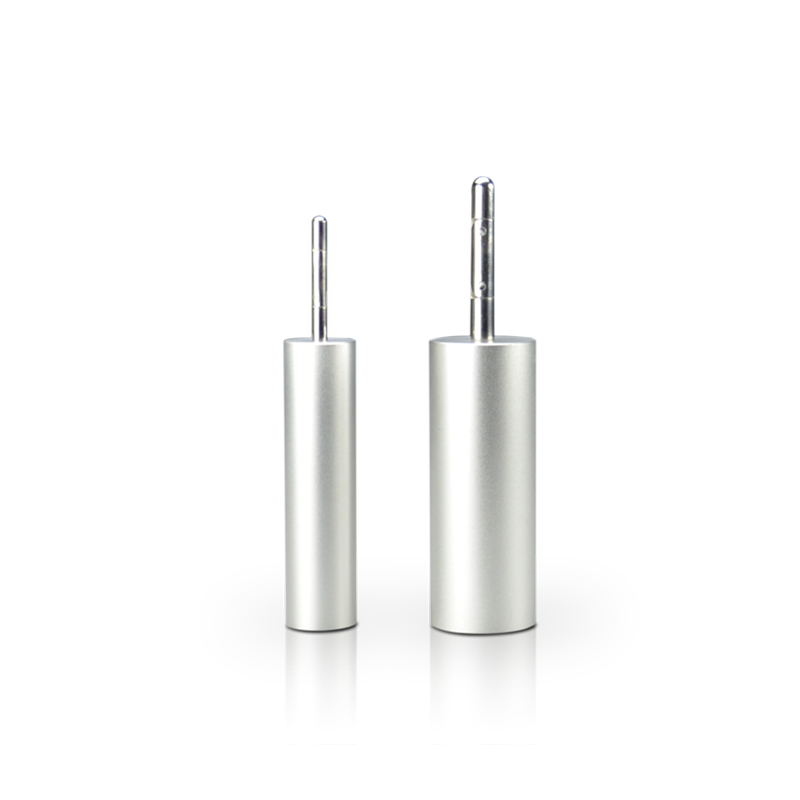
Sonda di accessibilità + sonda per dito di prova standard GT-MB06
Applicazioni La sonda di accessibilità GT-MB06 viene utilizzata per determinare se le parti pericolose dei giocattoli possono essere toccate. Se accessibili, vengono eseguiti i relativi test secondo le normative per ridurre i potenziali rischi per i bambini.
Standard
EN-71-1 sezione 8.10, ASTM F963 sezione 3.1.2, 16CFR 1500 sezioni 48 e 49, ISO 8124-1 sezione 5.7, GB6675-2 sezione 5.7
Perché questi test sono importanti per la conformità
La maggior parte dei mercati richiede prove documentate che i giocattoli soddisfino specifiche norme di sicurezza. Negli Stati Uniti, la Consumer Product Safety Commission (CPSC) riconosceApparecchiature per il collaudo dei giocattoli ASTM F963metodi come modo affidabile per dimostrare la conformità. Senza test adeguati, un giocattolo potrebbe essere bloccato alla dogana o ritirato dal mercato dopo la vendita.
L'utilizzo di apparecchiature per il collaudo della sicurezza dei giocattoli consente di individuare tempestivamente i difetti di progettazione. Ad esempio, una piccola parte che si inserisce nel cilindro del GT-MB03 potrebbe essere riprogettata per essere più grande o fissata in modo più sicuro. Un bordo tagliente rilevato dal GT-MB01 può essere arrotondato o coperto. Queste modifiche sono spesso più facili da apportare prima della produzione di massa.
Come scegliere le attrezzature giuste per testare la sicurezza dei giocattoli
Fascia d'età target
Scegliete le attrezzature in base all'età dei bambini a cui sono destinati i vostri giocattoli: ad esempio, i test sulle piccole parti sono fondamentali per i prodotti di età inferiore a 3 anni, mentre i test su spigoli/punte taglienti si applicano a quelli di età inferiore a 8 anni.
ambito di prova
Scegli l'attrezzatura più adatta al tipo di prodotto: i giocattoli che coprono il viso necessitano di tester di impatto con sfera; i giocattoli di piccole dimensioni necessitano di cilindri per test di impatto con piccole parti; tutti i giocattoli traggono vantaggio dalle sonde di accessibilità.
Affidabilità del produttore
Lavora con un partner fidatoProduttore di macchine per testare i giocattoliper garantire precisione, durata e prestazioni costanti.
Vantaggi delle apparecchiature professionali per il collaudo della sicurezza dei giocattoli
Supporto alla conformità
Contribuisce a soddisfare agevolmente gli standard ASTM F963, EN 71, ISO 8124-1 e altri standard importanti.
Identificazione del pericolo
Rileva bordi, punti, piccole parti e pericoli accessibili che potrebbero sfuggire a un controllo visivo.
Prestazioni stabili
Risultati dei test coerenti supportano il controllo qualità della produzione di massa.
efficienza dei costi
Riduce i costi di richiamo, rilavorazione e responsabilità durante l'intero ciclo di vita del prodotto.
Accesso al mercato
Rapporti di prova validi garantiscono lo sdoganamento e l'accesso agli scaffali in tutto il mondo.